If we had to pick the biggest celebrity among skincare ingredients, it would be hyaluronic acid. Beyond the beauty world, it also has its place in aesthetic medicine and medicine generally, for good reason – it can hydrate, fill and rejuvenate. What else can it do and how should you use it for a radiant, youthful look?
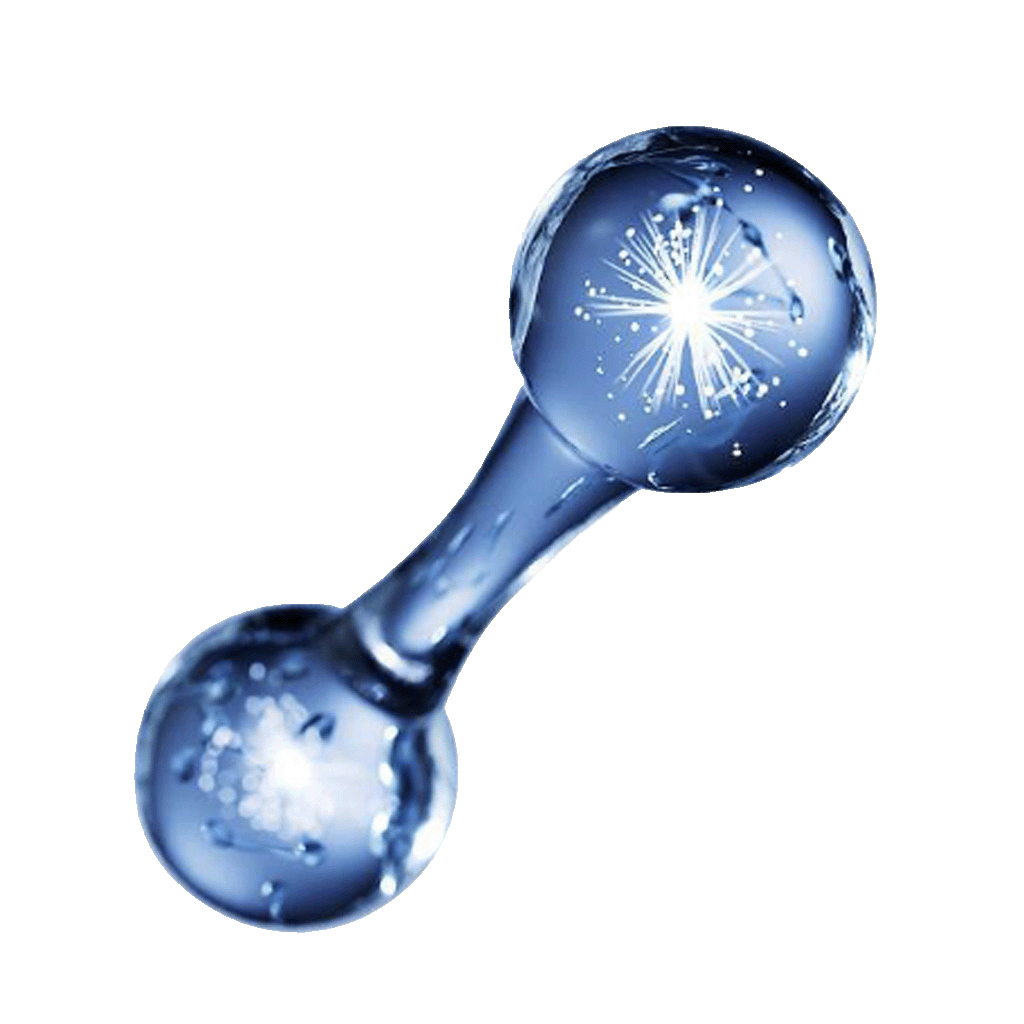
Meet hyaluronic acid
Its name may suggest something made in a lab, but hyaluronic acid is actually a natural part of our body. It is found mainly in the skin, joints and the vitreous humor of the eye. It also occurs in the extracellular matrix, where it retains moisture and prevents unwanted friction.
Its superpower is binding large amounts of water. It is sometimes said to hold up to a thousand times its own weight. That is more of a simplified marketing figure which, according to this research for example, isn't entirely accurate, but its hydrating abilities are still exceptional. What's more, it can not only bind moisture and so keep skin supple, but also retain hydration in the skin.
The human body contains about 15 g of hyaluronic acid. Roughly a third of it is broken down and synthesized every day. But from around the age of 25 its amount declines, and according to studies, by sixty we have about half as much. This leads to dry skin, wrinkles and poorer skin regeneration. Replenishing it from the outside is therefore the right strategy.
Types and forms of hyaluronic acid
In skincare and aesthetic medicine you can come across different types of hyaluronic acid. Each works slightly differently and is used for different purposes.
- High-molecular-weight hyaluronic acid
Because of its large molecules, this type stays on the skin's surface and delivers an instantly visible effect. It forms a film on the skin that protects against external influences, reduces transepidermal water loss and prevents dryness. According to this study, it also has anti-inflammatory effects. - Low-molecular-weight hyaluronic acid
Thanks to its smaller molecules, this form penetrates deep into the skin, providing deep hydration. It is also credited with the ability to stimulate fibroblasts, supporting the production of collagen and elastin. This contributes to long-term hydration, elasticity and firmness. - Combined forms
A trend in modern skincare is combining molecules of different sizes for both a long-lasting and a rapid effect and an optimal level of hydration. You may also come across the terms stabilized and non-stabilized hyaluronic acid. The non-stabilized form naturally breaks down quickly and has a short-term effect, which is why it is used in skincare. The stabilized form breaks down more slowly in the body and can therefore create volume, so it is used in fillers and other injectable treatments.
The benefits of hyaluronic acid
We've already touched on some of them, but let's sum up all the effects hyaluronic acid has on the skin:
Hydrates
Its greatest benefit is skin hydration – it can replenish moisture both instantly and over the long term. It can also retain moisture in the skin and prevent its loss.
Restores elasticity
Thanks to moisture and its support of elastin and collagen production, hyaluronic acid can contribute to better skin elasticity and firmness.
Smooths wrinkles
It is popular for its anti-aging effect. As this study reports, for example, it can visibly smooth fine lines and wrinkles.
Improves texture
Hydrated skin can renew itself regularly, which has a positive effect on its texture and smooth, soft appearance
Supports healing
Hyaluronic acid has anti-inflammatory and antibacterial properties and has been shown to play an active role in all phases of healing and to speed up the regeneration of damaged tissue.
Acts as an antioxidant
Studies have also demonstrated the antioxidant effects of hyaluronic acid. It can scavenge free radicals, which cause oxidative stress and the associated skin aging.
Hyaluronic acid in skincare
Hyaluronic acid has been used since the 1960s, so its effects are well researched and proven. And the good news doesn't end there. It has also become popular because it suits every skin type, so everyone can enjoy its benefits.
You'll most often find hyaluronic acid in moisturizers and serums. When choosing a product, pay attention to its concentration. Skincare products typically contain it in concentrations of 0.2 to 1 %, while 0.5 to 2 % is considered optimal.
Hyaluronic acid is often combined with other active ingredients, as it can help them penetrate the skin and deliver more pronounced results.
- Vitamin C: Combined with vitamin C, it boosts skin radiance and strengthens the antioxidant effect.
- Retinol: Retinol on its own can irritate the skin, but hyaluronic acid helps you tolerate it better and calms the skin.
- Peptides: This combination enhances the anti-aging effect.
- Niacinamide: This pairing is a good choice for oily or acne-prone skin, as it helps regulate oil production and reduce imperfections.
These ingredients may be included directly in hyaluronic acid products, or you can add them to your routine separately.
A skincare routine with hyaluronic acid
Hyaluronic acid is easy to add to your everyday routine, and you can use it morning and evening all year round. Here's how to get the most out of it:

- First, cleanse your skin – ideally with Dermalogica Double Cleansing
- Apply toner and follow with a serum, ideally while your skin is still damp.
- Then apply a moisturizer with occlusive ingredients such as shea butter, squalane or coconut oil to lock in hydration and support the skin barrier.
Immediately after application you should feel the hydrating power of hyaluronic acid and notice the skin looking plumper. At first, though, this effect will be short-lived. More significant results in smoothing fine lines will appear within weeks of regular use.
Side effects and possible risks
Hyaluronic acid occurs naturally in the body, so the risks in terms of tolerability and side effects are very low. With topical application, it's a good idea to test how your skin reacts on a small patch first. There is also insufficient research on pregnant and breastfeeding women, so caution is advisable in that case. Allergic reactions are rare but can occur with accompanying ingredients.
With injections, pain, slight redness, bruising, itching or swelling may occur. These reactions are most likely related to the injection itself rather than to hyaluronic acid and should subside within a few days.
As with many other skin concerns, the best approach is to consult a professional – whether a skin therapist at Dermalogica salons or a dermatologist. They will suggest a suitable solution and a possible combination of ingredients and procedures for the best possible result.
Sources: researchgate.net │ pmc.ncbi.nlm.nih.gov │ clevelandclinic.org │ pmc.ncbi.nlm.nih.gov